You bought a sketchbook. Maybe even fancy pencils. Then—nothing. You stare at the blank page, paralyzed by perfectionism or confusion. Everyone else seems to draw effortlessly, but your lines wobble, proportions feel wrong, and motivation evaporates fast. Simple sketch drawing for beginners shouldn’t be this hard—it’s supposed to be fun, freeing, even therapeutic.
Why “Just Practice” Advice Fails New Artists
Most tutorials dump you into complex shading or perspective without building foundational confidence. They assume you already see like an artist—which you don’t yet. And that’s normal.
Here’s the reality: beginner frustration isn’t about talent. It’s about missing the right starting gate. You wouldn’t run a marathon without tying your shoes. Yet millions try to draw portraits before mastering basic mark-making.
But what if you began with zero pressure? No “artistic skill” required—just observation and play.
Simple Sketch Drawing for Beginners: A No-Guesswork Roadmap
Forget copying masterpieces. Start by training your hand-eye coordination through micro-skills. Break drawing into tiny, repeatable actions. Build neural pathways before chasing realism.
Tool Setup That Actually Works
You need less than you think. A $2 pencil and printer paper beat an unused $50 sketchpad any day. Simplicity reduces friction—your biggest enemy early on.
The 10-Minute Daily Drill (Do This First)
Before any object, practice these three exercises daily:
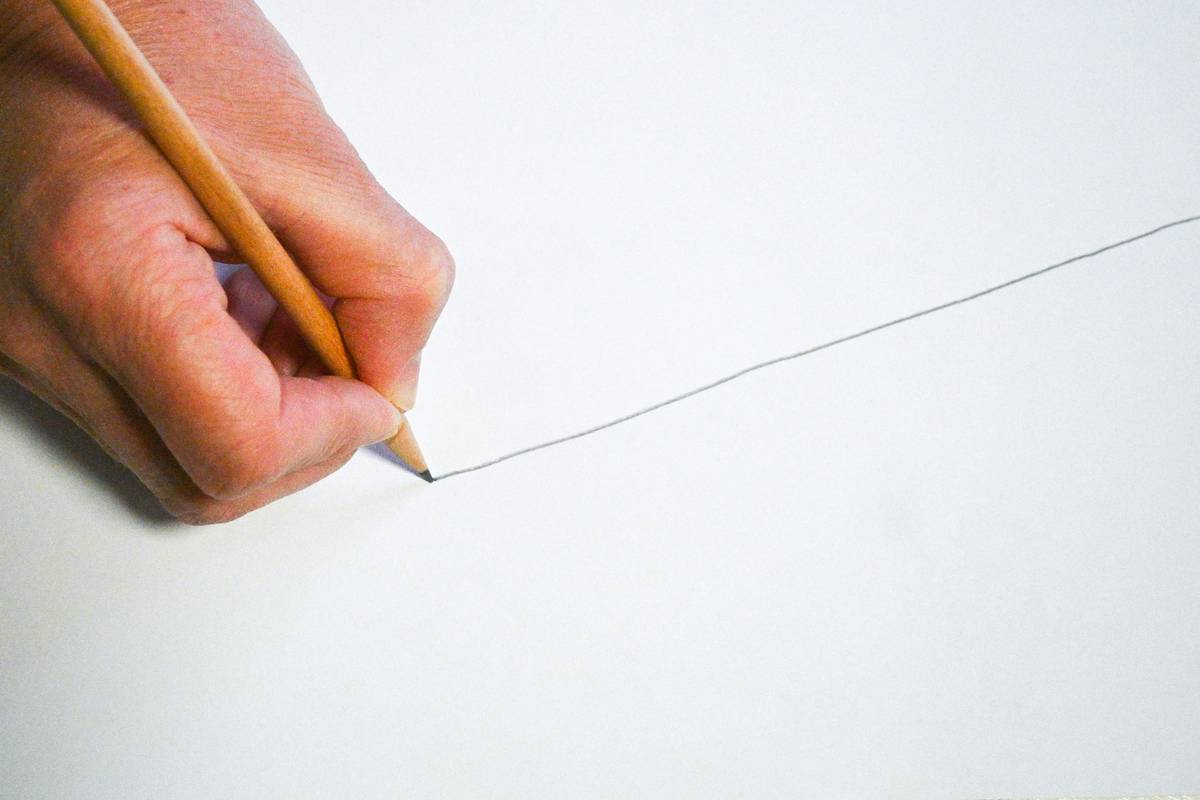
- Continuous lines: Draw without lifting your pencil for 60 seconds.
- Contour tracing: Follow edges of household items slowly—no looking at paper.
- Gesture scribbles: Capture shape essence in 10 seconds flat.
These aren’t “warm-ups.” They rewire how your brain processes visual information.
From Shapes to Objects: The Real Beginner Path
All complex subjects reduce to circles, squares, and triangles. Learn to see them. A coffee mug? Cylinder + handle curve. A plant? Cluster of ovals and zigzags.
| Method | Time Investment | Confidence Gain | Common Pitfall |
|---|---|---|---|
| Copying photos directly | High (30+ min/session) | Low (frustration spikes) | Ignores spatial relationships |
| Basic shape deconstruction | Low (10-15 min/session) | High (fast progress visible) | Skipping gesture phase |
| Blind contour drawing | Medium (20 min/session) | Very high (builds observation) | Over-correcting mid-stroke |
Notice something? The fastest confidence builders demand the least technical skill. That’s not coincidence—it’s cognitive science.
The Industry Secret: “Bad” Sketches Are Your Superpower
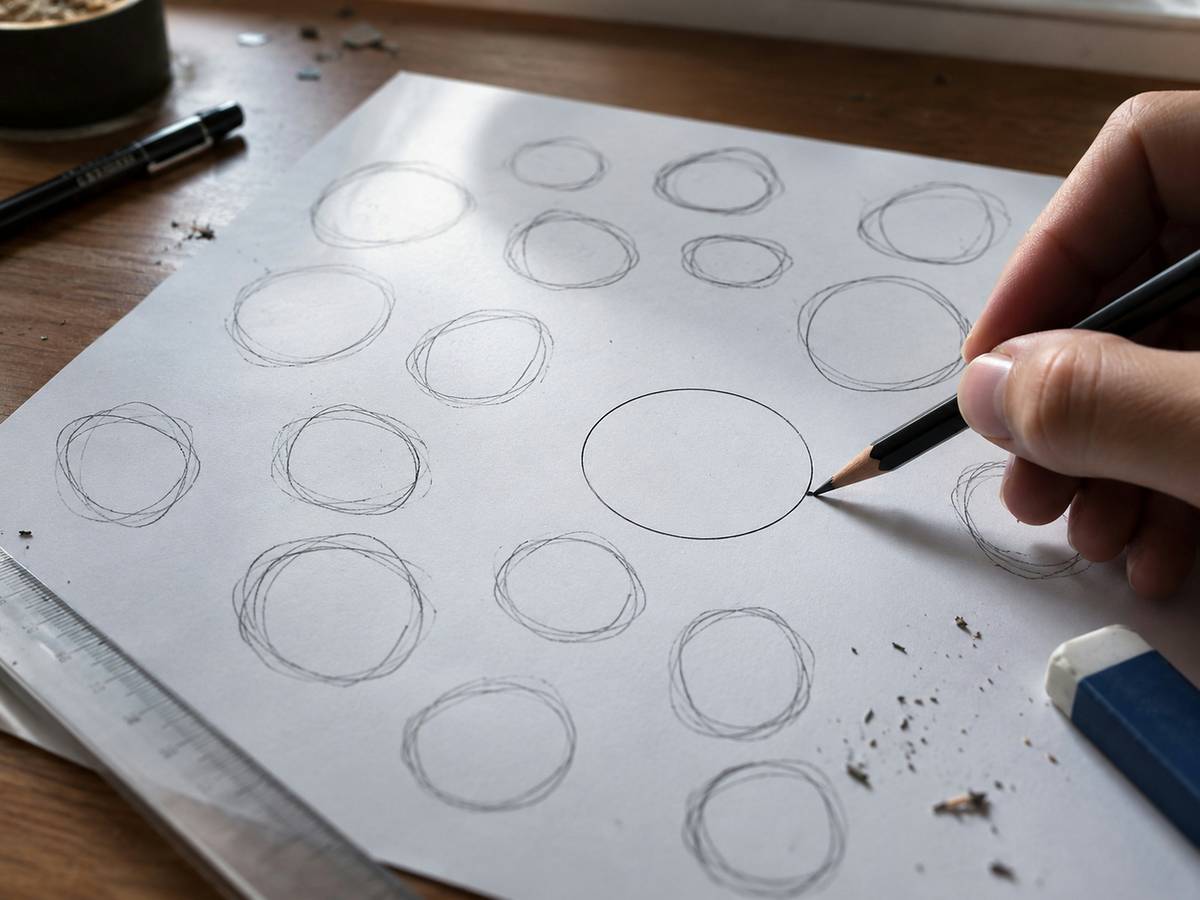
Top illustrators keep “ugly sketchbooks”—pages filled with wonky lines, failed attempts, wild experiments. Why? Because polished work kills learning speed.
Here’s what no course tells you: Your first 100 sketches should look “wrong.” That’s the point. Each “mistake” teaches your motor memory more than a perfect copy ever could. Studios actually hire artists based on messy process books—not just final pieces. The math is simple: quantity fuels quality, not the other way around.
So stop hiding your rough pages. Tear them out. Tape them to your wall. Let imperfection be your compass.
Frequently Asked Questions
What pencil is best for simple sketch drawing for beginners?
A standard HB or 2B pencil works perfectly. Avoid expensive sets—soft leads (like 6B) smudge too easily for new hands. Keep it basic.
How long until I see improvement?
With 10 focused minutes daily, noticeable control emerges in 7–10 days. Consistency beats marathon sessions every time.
Should I use references or draw from imagination?
Always start with real objects or photos. Imagination relies on stored visual data—you need that database first. Build it deliberately.