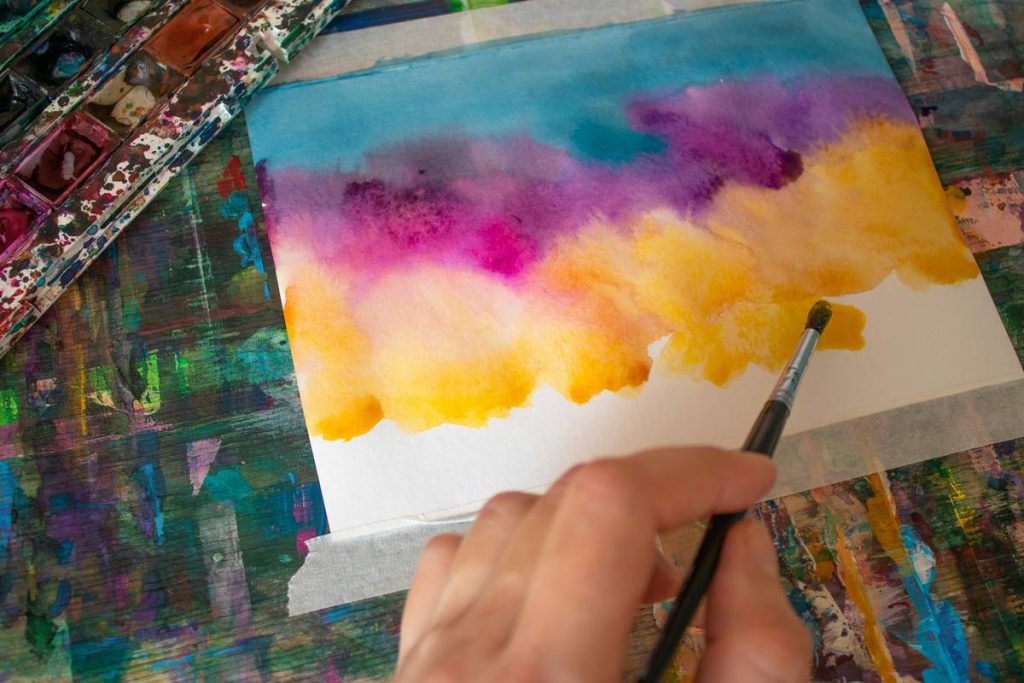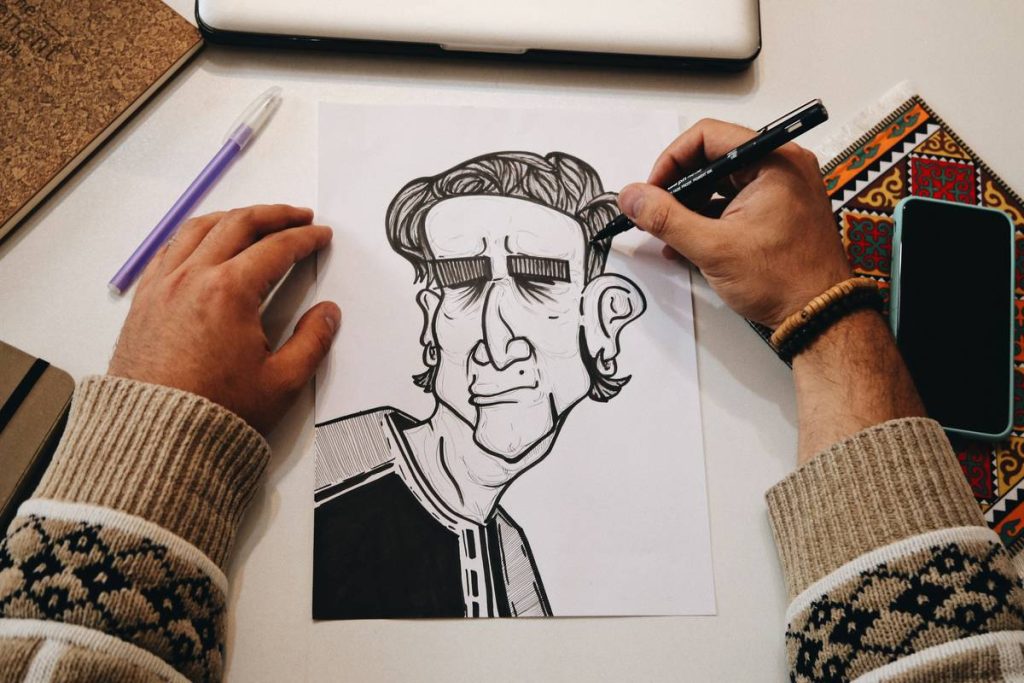
Most parents see drawing as a quiet activity to keep kids busy—nothing more. But what if that idle doodle is actually wiring their brain for focus, empathy, and problem-solving? The truth is, structured screen time dominates childhood, while unstructured creative acts like sketching get sidelined. Yet research—and real-world observation—shows that drawing benefits for children go far beyond colorful fridge art.
Why Most “Art Time” Fails to Deliver Real Drawing Benefits for Children
Parents hand over crayons, praise the outcome, and call it a win. That’s passive encouragement—not development. Real cognitive and emotional growth comes from *process*, not product. And most home or classroom setups skip the scaffolding kids need to turn scribbles into skill.
And here’s the hard pill: generic coloring books? They’re the enemy of imagination. They teach kids to stay inside lines—not to invent them.
The Step-by-Step Framework to Unlock Genuine Drawing Benefits for Children
Start with Observation, Not Imitation
Before tracing or copying, train young eyes to *see*. Ask: “What shape is that leaf? Is the dog’s tail curved like a question mark or a hook?” This builds visual literacy—the bedrock of spatial reasoning.
Prioritize Process Over Prettiness
Reward curiosity, not symmetry. Say “Tell me about your dragon’s wings” instead of “That’s so neat!” Language reinforces mindset. Kids who feel safe exploring messier drafts develop resilience—and originality.
Rotate Tools Strategically
Charcoal, water-soluble pencils, even toothpicks in clay—each medium challenges fine motor control differently. Variety prevents burnout and subtly strengthens neural pathways tied to adaptability.
| Tool Type | Affordability | Mess Level | Key Skill Developed |
|---|---|---|---|
| Graphite pencils (HB–6B) | $ | Low | Pressure control & shading nuance |
| Watercolor pencils | $$ | Medium | Color blending & planning |
| Compressed charcoal sticks | $ | High | Grip strength & bold gesture |
| Recycled cardboard + markers | Free–$ | Low | Texture awareness & upcycling creativity |
The Industry Secret: Sketching Builds Executive Function—Not Just “Creativity”
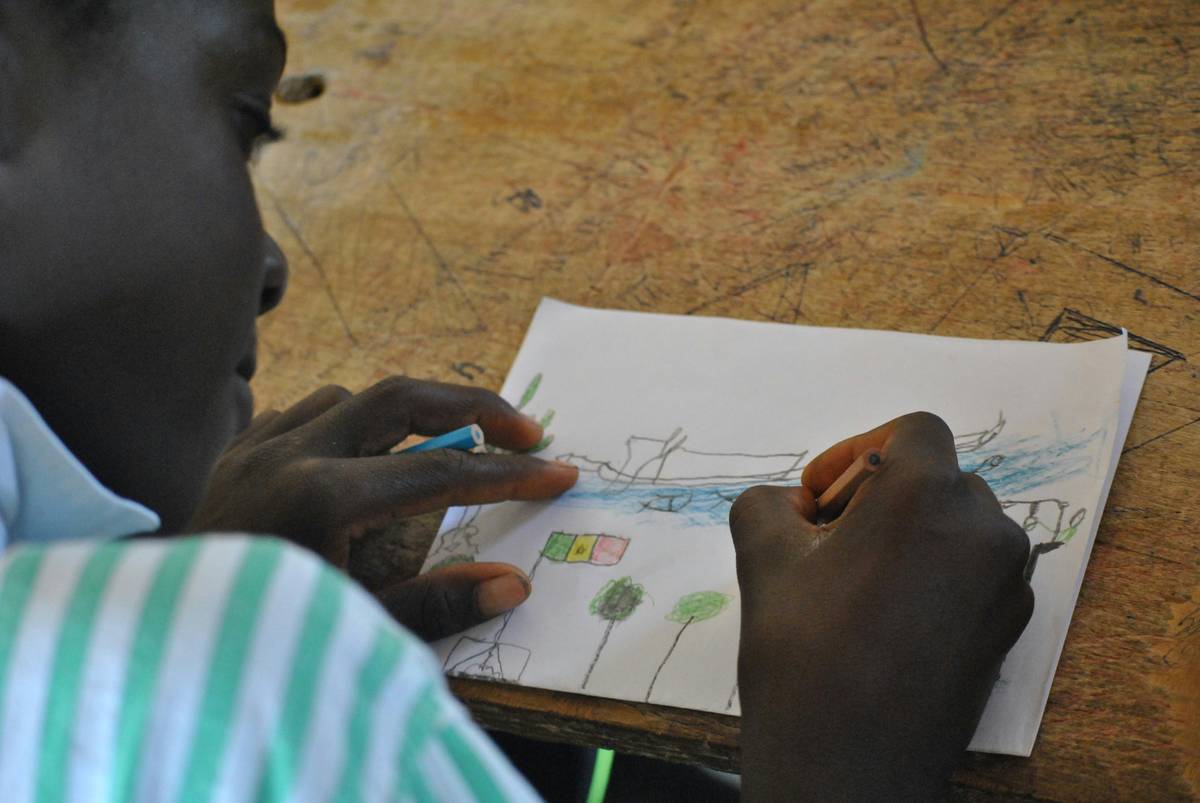
Here’s what art supply companies won’t tell you: drawing isn’t fluff—it’s stealth executive function training. Every time a child decides where to start a line, erases a mistake without quitting, or layers colors deliberately, they’re practicing working memory, impulse control, and cognitive flexibility. These are the exact skills linked to academic success in math and reading.
Think about it. A 7-year-old redrawing a bird’s wing three times isn’t “just drawing.” They’re running mental simulations—testing hypotheses like a junior engineer. The math is simple: more unstructured sketching = stronger prefrontal cortex activation. Yet schools cut art first when budgets shrink. Tragic irony.
Frequently Asked Questions
At what age do drawing benefits for children become noticeable?
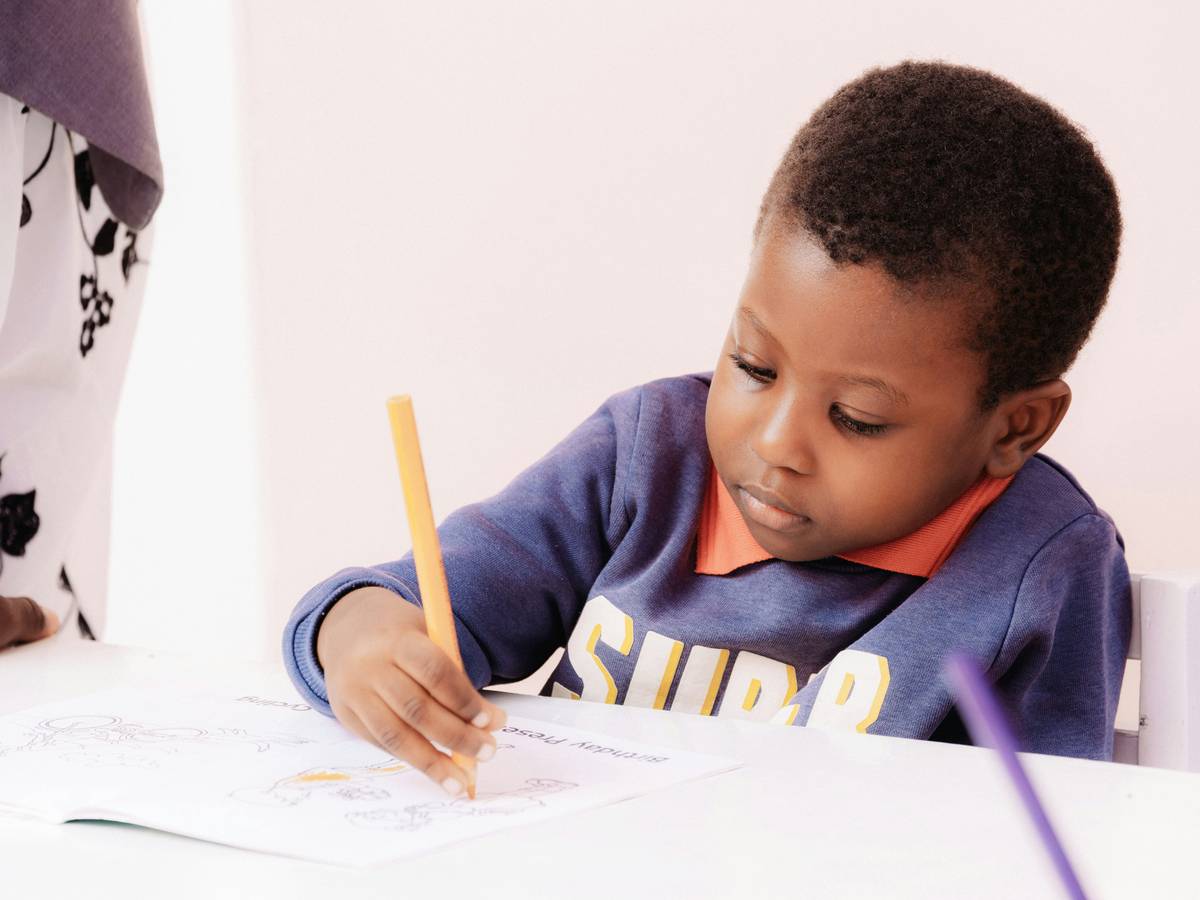
As early as age 2—when scribbling evolves into intentional marks. By age 4, consistent sketching correlates with improved emotional regulation and narrative expression.
Do digital drawing apps offer the same advantages?
Partially. Touchscreens lack tactile resistance, weakening fine motor gains. But apps with layering tools can enhance planning skills—if used after foundational pencil work.
How often should kids draw to see cognitive improvements?
Just 15 focused minutes, 4x/week, shows measurable gains in attention span within 8 weeks. Consistency trumps duration.