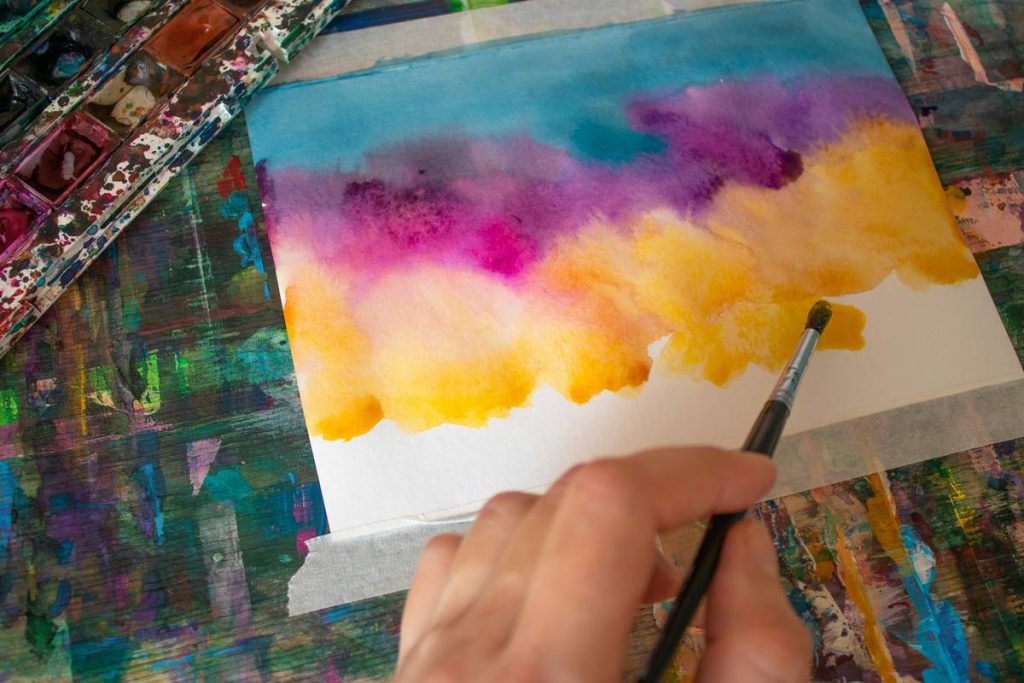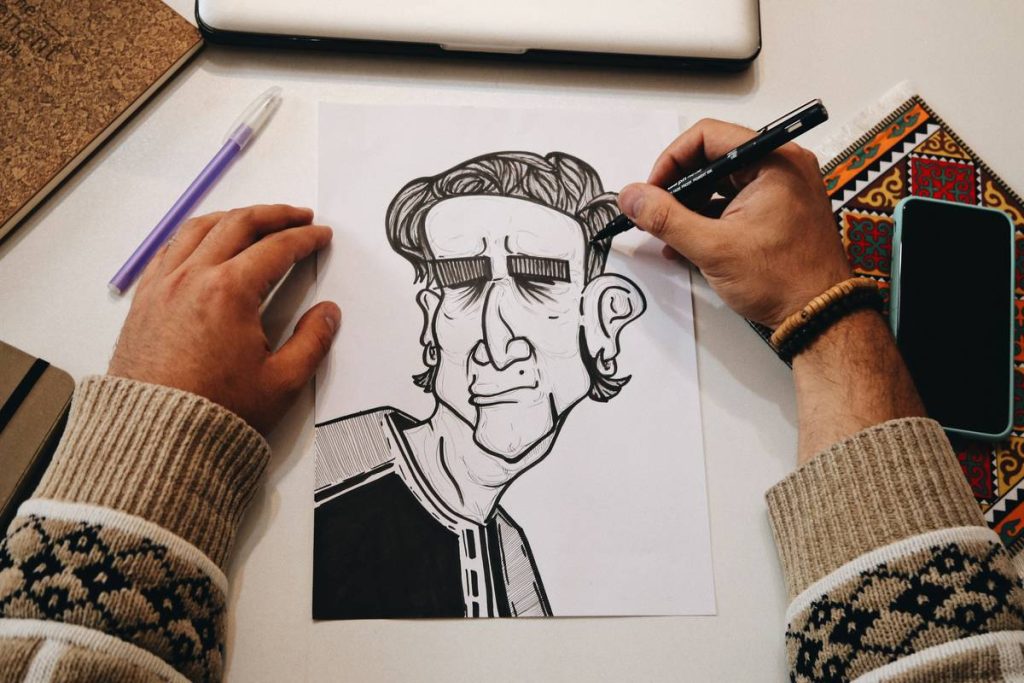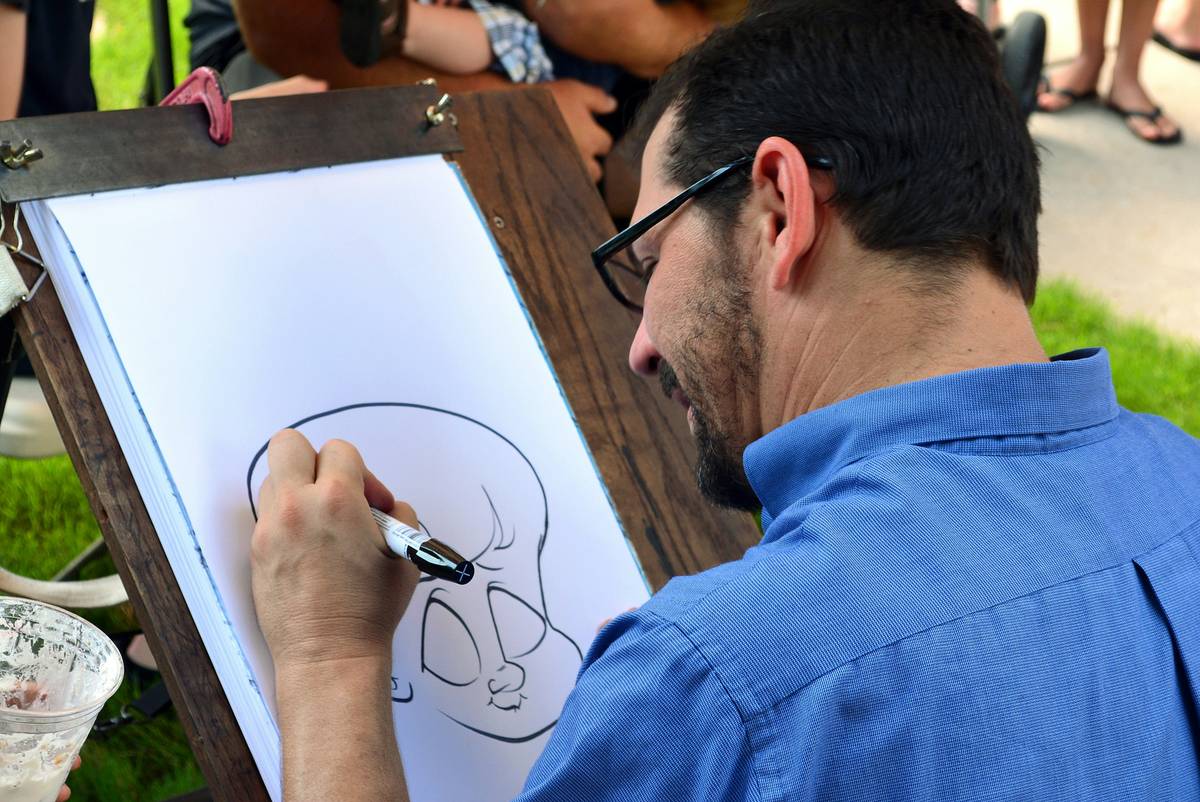
Ever stare at a blank page and think, “I can’t even draw a stick figure without it looking like it’s mid-divorce”? You’re not alone—and that’s exactly why you need to draw. Forget the myth that sketching is just for kids or Picasso wannabes. In a world where our brains are fried from Slack pings, doomscrolling, and Zoom fatigue, picking up a pencil might be the cheapest, most effective therapy you’ll ever try.
In this post, we unpack the real, research-backed benefits of drawing for adults—from lowering cortisol levels to reigniting creative confidence. You’ll learn:
- How 15 minutes of doodling can rewire your stressed-out brain
- Why sketching boosts problem-solving skills (even if your “art” looks like abstract chaos)
- Practical ways to start—even if you haven’t drawn since 6th-grade art class
- Real stories from adults who transformed their mental health through daily sketching
Table of Contents
- Why Drawing Matters for Grown-Ups (It’s Not Just “Fun”)
- How to Start Drawing as an Adult (Without Crying Over Crooked Lines)
- Best Practices: Sketch Smarter, Not Harder
- Real Results: How Drawing Changed Lives (Beyond Instagram Aesthetics)
- FAQs About Adult Drawing Benefits
Key Takeaways
- Drawing reduces stress hormones—studies show cortisol drops after 45 minutes of art-making (Kaimal et al., 2016).
- You don’t need talent; consistent practice builds neural pathways linked to focus and emotional regulation.
- Online sketch courses for adults (like Domestika or Skillshare) offer judgment-free zones with expert feedback.
- Sketching enhances observational skills—critical for designers, engineers, writers, and even therapists.
Why Drawing Matters for Grown-Ups (It’s Not Just “Fun”)
Let’s get brutally honest: adulthood is a pressure cooker. Between mortgage payments, caregiving, and the soul-sucking grind of back-to-back meetings, your nervous system is begging for a reset. Enter drawing—not as a performance, but as a practice.
Neuroscience backs this up. A 2016 study published in Art Therapy: Journal of the American Art Therapy Association found that just 45 minutes of creative activity significantly reduced cortisol (the stress hormone) in 75% of participants—regardless of artistic skill. That’s right: your wobbly coffee cup sketch? It’s literally calming your amygdala.
As someone who’s taught online sketching workshops for adults for over 8 years, I’ve watched engineers, nurses, and burnt-out marketers rediscover flow states they thought were lost forever. One student—a trauma therapist—told me her daily blind-contour drawings helped her process client sessions without internalizing pain. Another, a software developer, used gesture sketching to break through coding blocks.
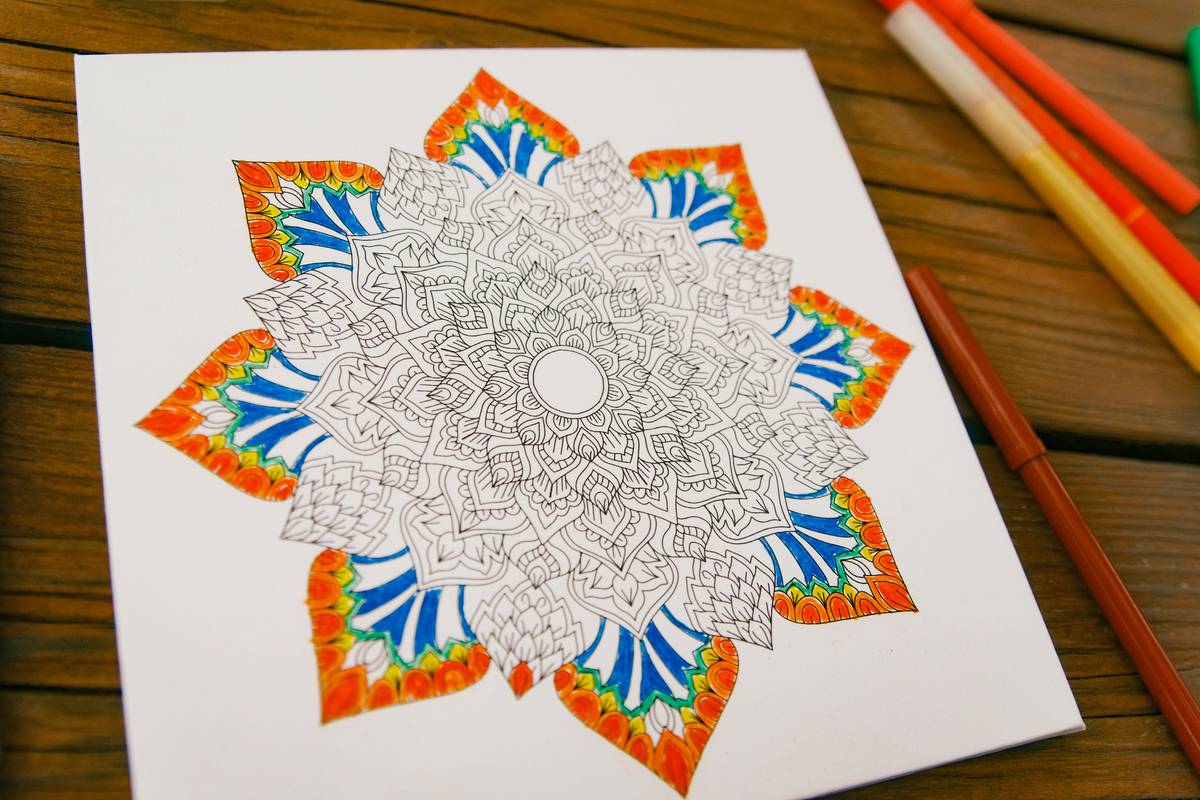
Optimist You: “Drawing is self-care!”
Grumpy You: “Ugh, fine—but only if I can do it in sweatpants with zero audience.”
How to Start Drawing as an Adult (Without Crying Over Crooked Lines)
Confession time: My first adult sketch session ended with me crumpling paper into a ball and yelling, “Why won’t my hand obey my brain?!” Sound familiar? Here’s how to avoid that meltdown—and actually enjoy the process.
Do I need fancy supplies to see the benefits of drawing for adults?
Nope. All you need: a cheap notebook and any writing tool. Seriously. Research shows process > product when it comes to therapeutic drawing. Save the $80 Copic markers for later.
What if I have zero “talent”?
Talent is a myth perpetuated by people who never practiced. Drawing is a learnable skill—like riding a bike or parallel parking. Start with these micro-habits:
- Blind Contour Drawing (5 mins/day): Stare at an object (your coffee mug, a plant), and draw its outline without looking at your paper. Train your eye-hand coordination—and silence your inner critic.
- Doodle Journaling (10 mins): Replace morning scroll time with freeform scribbles. Add words, shapes, squiggles. No rules.
- Gesture Sketching (15 mins): Use free sites like Line of Action to draw timed poses. Forces you to capture essence, not perfection.
Optimist You: “Daily sketching = mental clarity!”
Grumpy You: “Only if my cat stops walking on the sketchbook.”
Best Practices: Sketch Smarter, Not Harder
Want maximum benefit with minimal time? Avoid these rookie traps:
- ✅ DO: Draw for yourself first. Lock away the “will this go viral?” mindset.
- ✅ DO: Use online communities (like r/learnart or Sketchbook Skool) for gentle accountability.
- ❌ DON’T: Compare your Day 1 to someone’s Year 5 portfolio. (This is the #1 joy-killer.)
- ❌ DON’T: Wait for “inspiration.” Set a timer. Show up. Repeat.
Terrible Tip Alert: “Just draw what you feel!” — Vague, unactionable, and guaranteed to induce blank-page panic. Instead, try: “Draw three overlapping circles using only your non-dominant hand.” Specificity breeds creativity.
Rant Section: My Pet Peeve About Adult Art Advice
Why do so many tutorials assume adults want to draw anime eyes or hyperrealistic portraits? Newsflash: Most of us just want to unwind, observe the world, and maybe sketch our dog without it looking like a potato with ears. Stop gatekeeping “real art.” A messy sketch of your lunch counts. Period.
Real Results: How Drawing Changed Lives (Beyond Instagram Aesthetics)
Case in point: Sarah K., a 42-year-old HR director, joined my online “Sketch for Sanity” course during lockdown. Depressed, isolated, and overwhelmed, she committed to 10 minutes of daily contour drawing. Within three weeks, she reported:
- Better sleep (she stopped lying awake ruminating)
- Improved focus during work calls
- A renewed sense of agency (“If I can draw this ugly pear, I can handle my boss”)
Another example: James T., a retired firefighter, used sketching to manage PTSD symptoms. By drawing scenes from memory—first chaotic, then calmer—he processed trauma non-verbally. His therapist noted reduced anxiety in clinical assessments after 8 weeks of consistent practice.
These aren’t outliers. The American Art Therapy Association emphasizes that any mark-making engages the brain’s default mode network, crucial for introspection and emotional regulation.
FAQs About Adult Drawing Benefits
Does drawing really reduce anxiety?
Yes. A 2020 meta-analysis in Frontiers in Psychology confirmed that visual art creation lowers subjective stress and physiological markers (like heart rate) across age groups—including adults with no prior art experience.
How often should I draw to see benefits?
Start with 2–3 times per week for 10–15 minutes. Consistency beats marathon sessions. Think of it like stretching: small doses prevent mental “stiffness.”
Can drawing help with focus at work?
Absolutely. Doodling during meetings (yes, it’s okay!) improves information retention by 29%, according to a University of Waterloo study. It keeps your brain engaged without distraction.
Are online drawing courses worth it for beginners?
For structure and community—yes. Platforms like Domestika, Skillshare, and CreativeLive offer affordable, self-paced courses taught by working illustrators. Look for ones emphasizing process over polished outcomes.
Conclusion
The benefits of drawing for adults aren’t about creating gallery-worthy masterpieces. They’re about reclaiming presence, quieting mental noise, and remembering that making marks—messy, imperfect, human marks—is your birthright. You don’t need talent. You just need a pencil, five minutes, and permission to suck gloriously.
So grab that notebook gathering dust on your shelf. Draw the view from your window. Sketch your coffee cup. Let your lines wobble. Your brain—and your future self—will thank you.
Like a Tamagotchi, your creativity needs daily care… but way less responsibility.
Pencil meets page—
Wobbly lines, quiet mind blooms.
Adult superpower.